
Can You Put New Shingles Over an Existing Roof?
By Kay LeRoy | Director of Marketing & Brand Development
Nomads Roofing
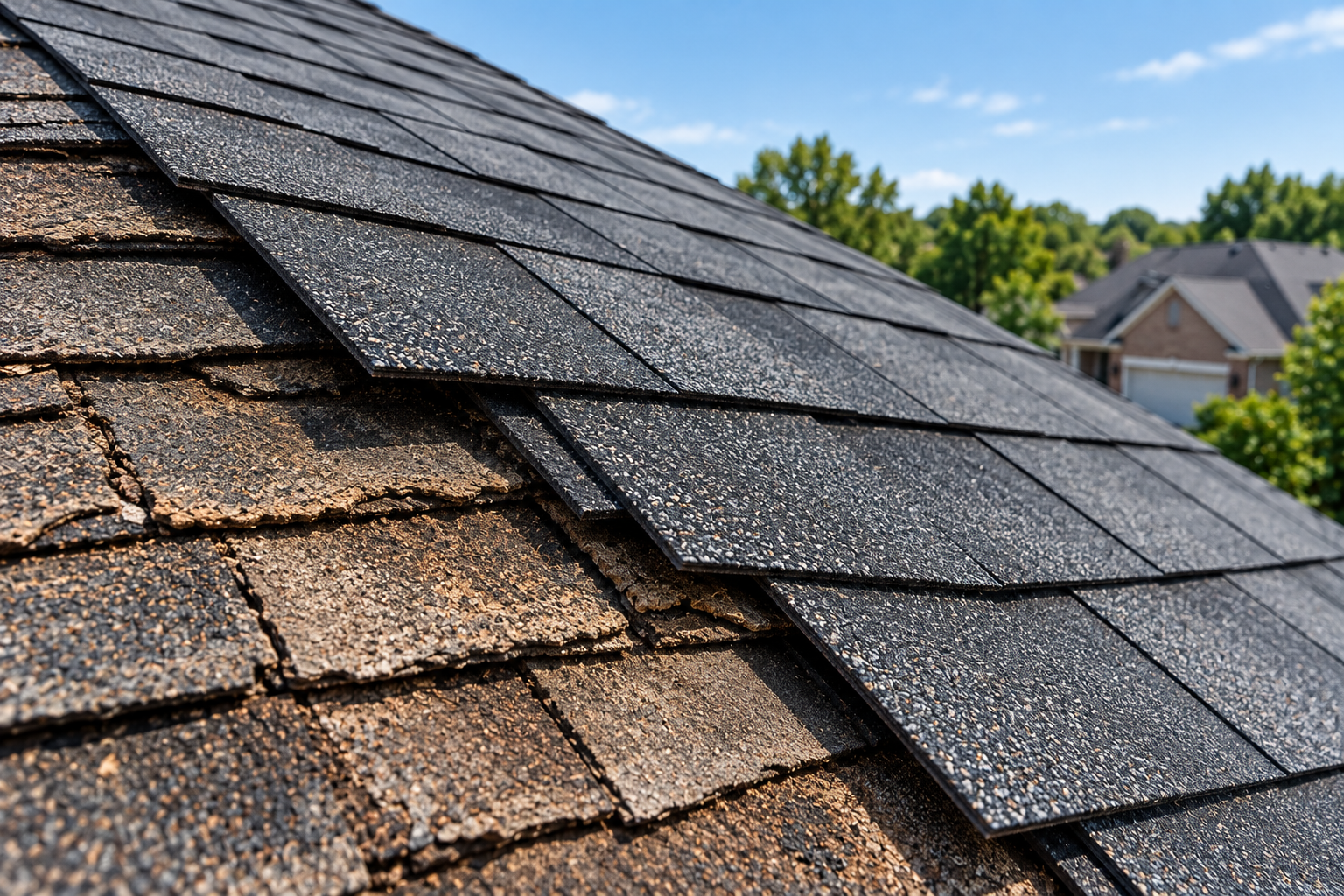
It sounds like a pretty reasonable question.
If your existing shingles are already covering the roof, why remove them? Why not just install a new layer of shingles right over the top?
It may seem like an easier way to get a new roof while avoiding the time and expense of tearing off the old one.
And in some situations, installing shingles over an existing roof—often called a roof overlay or layover—may be possible.
But possible and preferable aren't always the same thing.
Before deciding whether to tear off an existing roof or cover it with another layer, there are several things homeowners should understand.
What Is a Roof Overlay?
A roof overlay is exactly what it sounds like.
Instead of removing the existing asphalt shingles, new shingles are installed directly over them.
The old roof stays in place underneath the new one.
That means less material has to be removed and disposed of, which is one reason homeowners may be interested in this option.
But it also means everything underneath the existing shingles stays covered.
And that's where things can get complicated.
You Can't Fully See What's Underneath
One of the biggest benefits of removing an old roof is getting a look at what's underneath it.
Once the existing shingles and roofing materials come off, the roof decking is exposed.
That's when a roofing crew can see conditions that may have been hidden before.
There could be deteriorated decking, old water damage, previous repairs, or other areas that need attention.
If new shingles are installed directly over the old roof, those areas may remain hidden.
A new layer of shingles can improve the appearance of the roof, but it doesn't repair damaged wood underneath it.
The New Roof Follows the Old Roof
Shingles need a solid, reasonably smooth surface underneath them.
When new shingles are installed over existing shingles, the shape and condition of the old roof can affect how the new roof looks.
If the existing shingles are curled, lifted, uneven, or deteriorated, those conditions can sometimes show through the new layer.
Instead of starting with a clean surface, you're building on top of what's already there.
That's one reason an overlay may not have the same finished appearance as a roof installed after a complete tear-off.
More Layers Mean More Weight
Roofing materials have weight.
Adding another layer of shingles means adding additional weight to the roof structure.
Whether that is appropriate depends on the home, the existing roofing system, local requirements, and how many layers are already present.
This is also one reason homeowners shouldn't assume another layer can simply be added because they've seen it done on another house.
Every roof needs to be evaluated individually.
How Many Layers Are Already There?
From the ground, a roof may look like it has one layer of shingles when there is actually another roof underneath.
Older homes in particular may have had roofing materials installed over previous layers at some point in their history.
Before considering an overlay, it's important to know what is already there.
If multiple roofing layers already exist, adding another may not be appropriate or permitted.
What About Flashing?
A roof isn't made up of shingles alone.
Flashing around chimneys, walls, valleys, and other roof transitions helps manage water.
When an old roof is completely removed, those areas can be evaluated more thoroughly and addressed as part of the new roofing system.
With an overlay, working around existing components can be more complicated because much of the original system remains in place.
The same applies to roof penetrations, vents, drip edge, and other details.
These areas matter because a roof can have brand-new shingles and still develop problems if water isn't properly managed around them.
An Overlay Doesn't Reset Everything Underneath
This is probably the easiest way to think about it.
New shingles are new.
Everything underneath them isn't.
If a roof is covered rather than removed, the existing roofing materials, decking, flashing conditions, and previous work don't suddenly become new just because another layer was installed.
That's an important distinction when deciding whether the lower upfront cost of an overlay makes sense for the home.
What Happens the Next Time the Roof Needs to Be Replaced?
Eventually, the new layer will age too.
When the roof needs replacement in the future, all of those roofing layers may need to be removed.
That means more material, more labor, and more disposal at that time.
An overlay can reduce some of the work today while potentially creating additional tear-off work later.
It's worth considering the roof's entire life—not only the current project.
What About the Manufacturer Warranty?
Roofing manufacturers have specific installation requirements for their products.
Depending on the roofing system and manufacturer, installing shingles over an existing roof can affect what products can be used and what warranty coverage may be available.
Homeowners considering an overlay should understand the manufacturer's requirements before making a decision rather than assuming a new shingle automatically comes with the same coverage in every installation.
Building Codes Matter Too
Whether a roof overlay is allowed can also depend on applicable building codes and local requirements.
Rules can address the number of roofing layers permitted, the condition of the existing roof, and circumstances that require existing materials to be removed.
That's why what was done on a house years ago—or even on a house in another city—doesn't necessarily tell you what should be done on your home today.
Why Do Some Homeowners Still Consider an Overlay?
The biggest reason is usually cost.
Removing an existing roofing system requires additional labor, cleanup, hauling, and disposal.
Leaving that roof in place can reduce some of those expenses.
For certain roofs, an overlay may be an option worth discussing.
But the lower initial price should be considered alongside what isn't happening during the project—particularly the opportunity to expose and evaluate the roof deck and other components hidden beneath the existing roofing materials.
Starting Fresh Has an Advantage
A complete tear-off gives the roofing contractor access to the surface underneath the old roof.
It provides an opportunity to identify damaged decking, evaluate areas that were previously hidden, address necessary components, and install the new roofing system on a prepared surface.
That doesn't mean every piece of wood underneath an old roof will need to be replaced.
Often, much of it is perfectly fine.
The difference is that once the old roofing materials are removed, you can actually see what you're working with.
Covering a Problem Doesn't Make It Go Away
A roof overlay can make an older roof look new from the outside.
But roofing isn't only about what you can see from the driveway.
What is underneath those shingles matters just as much.
Before putting a new roof over an old one, homeowners should understand the condition of the existing roof, how many layers are already present, what local requirements allow, how the installation affects the roofing system, and what may remain hidden underneath.
Sometimes the most important part of installing a new roof isn't what you're putting on.
It's what you discover when you take the old one off.